We have a coffee subscription, Pay 2545 to get a Kilo of any coffee in any quanitiy. Call 9886342941

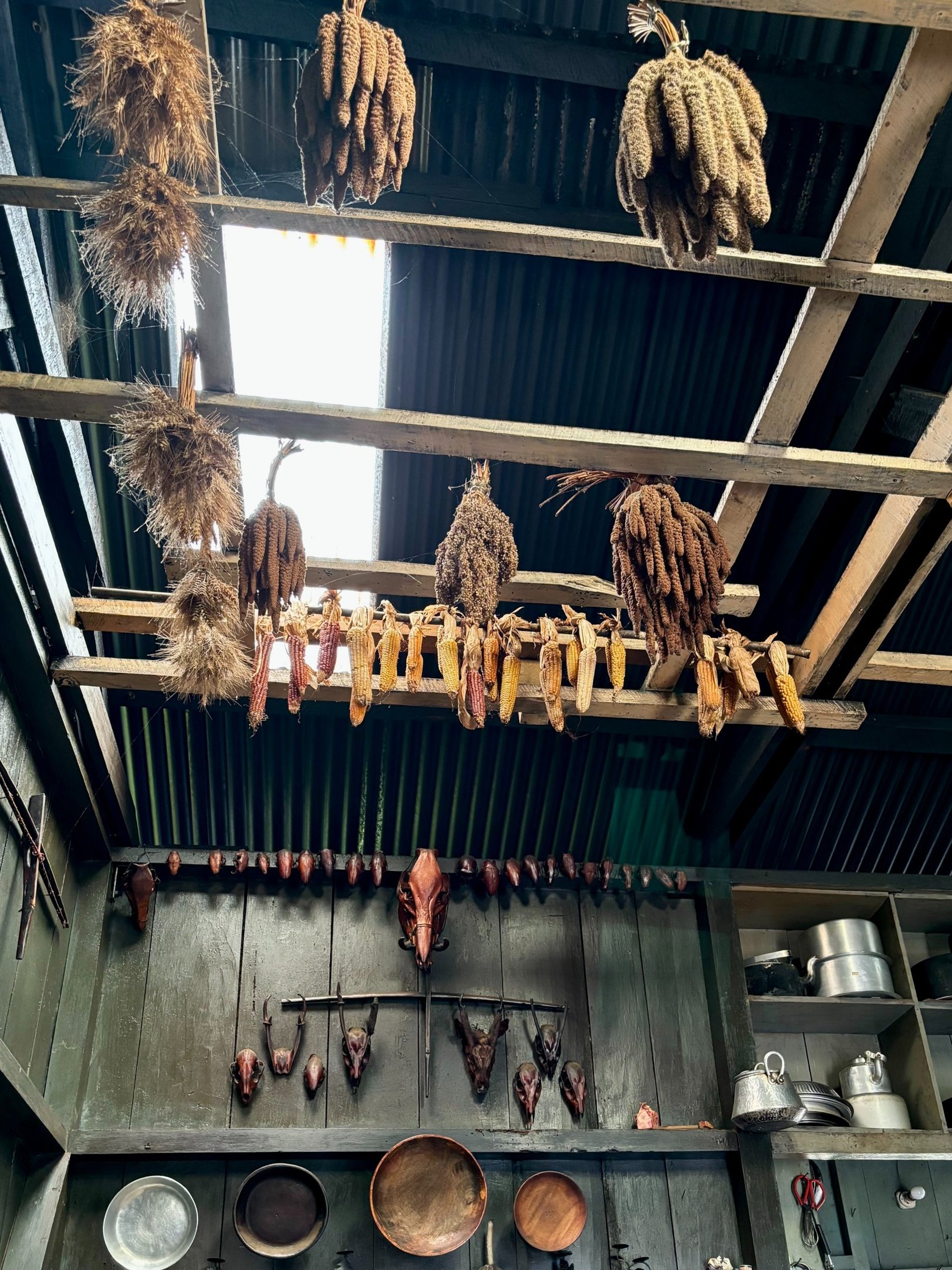
NAGALAND
We don’t just source coffee.
We process it at origin.
In Nagaland and Arunachal Pradesh, we operate our own processing setup — buying fresh coffee cherry, controlling fermentation and drying, and building each lot from the ground up.
HI.E.D.Y.
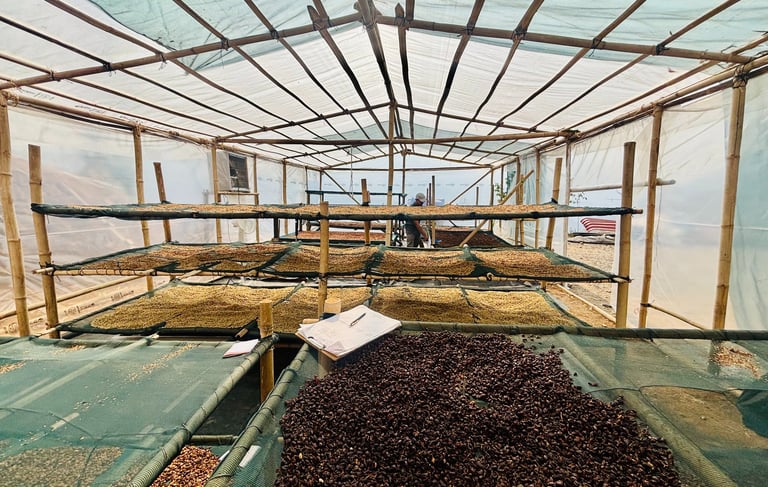
Heidi stands for High Intensity and Efficiency Drying Yard.
It is our on-ground processing system in Nagaland — designed to handle coffee with speed, control, and consistency.
This is where we process our coffees, run experiments, and develop lots that reflect both origin and intent.
How we operate
We don’t rely only on sourcing parchment.
We buy fresh cherry directly from farmers, in addition to working with them on improving quality at the farm level.
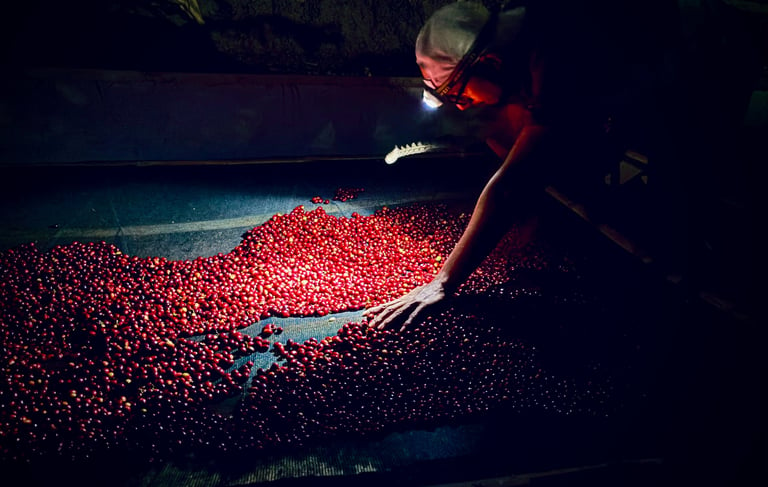
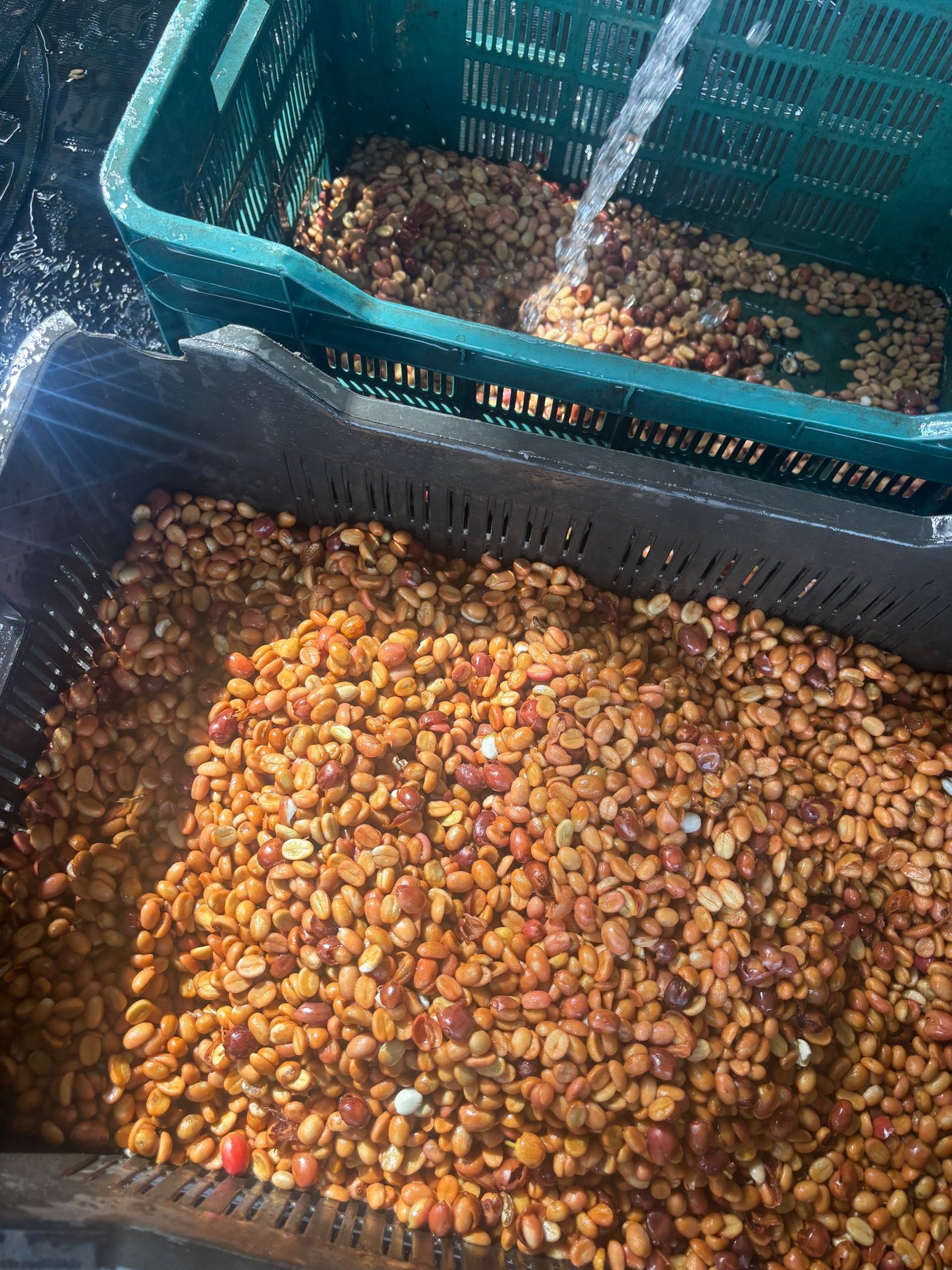
Once the coffee comes in, everything is handled in-house — pulping, washing, fermentation, and drying.
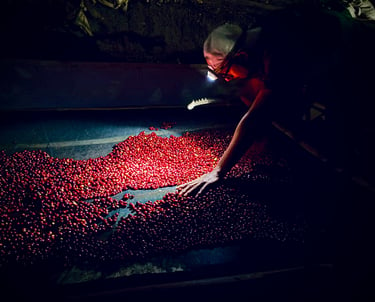
Infrastructure
Our current setup includes:
• A dedicated washing and pulping station
• Controlled drying systems
• Fully solar-powered operations
This allows us to run processing independently and consistently, without depending on external facilities.
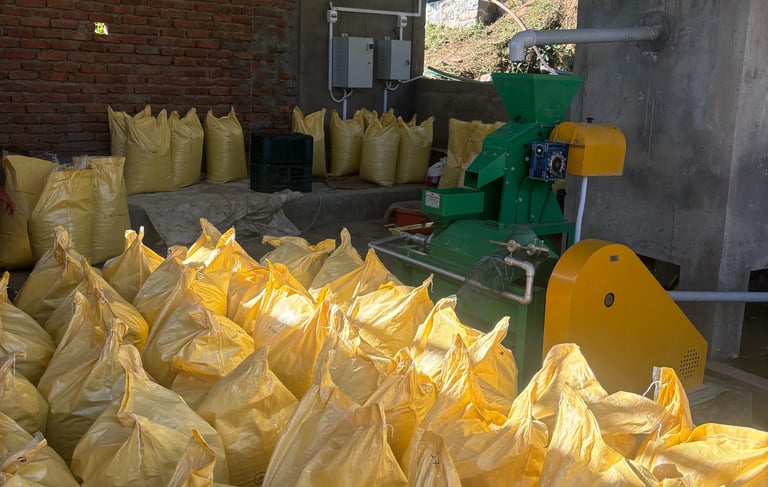
Why this matters
Processing is where coffee is defined.
Small changes in fermentation or drying can shift the cup completely.
By operating at origin, we control these variables — producing coffees that are cleaner, more stable, and more intentional than typical supply-chain lots.
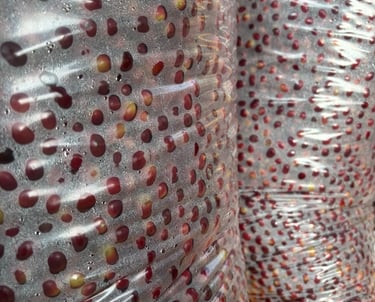
Experimental lots
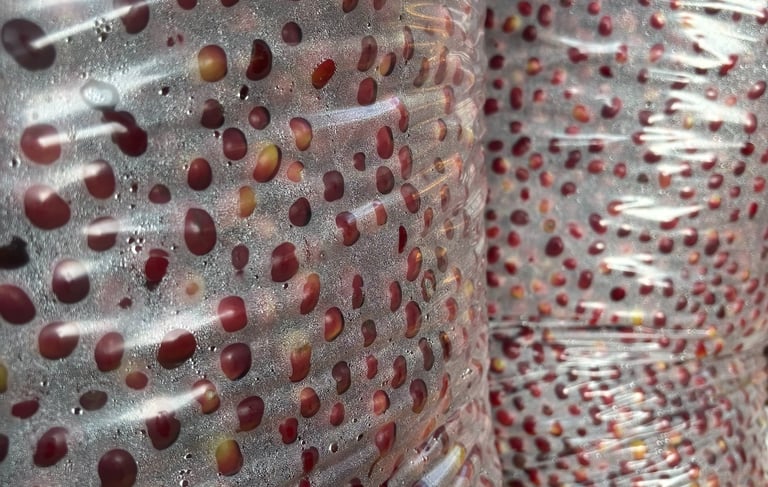
Heidi is also where we run experimental processing. We work on variations in fermentation, drying time, and cherry handling to explore different flavor outcomes without compromising structure. These are small, controlled batches.
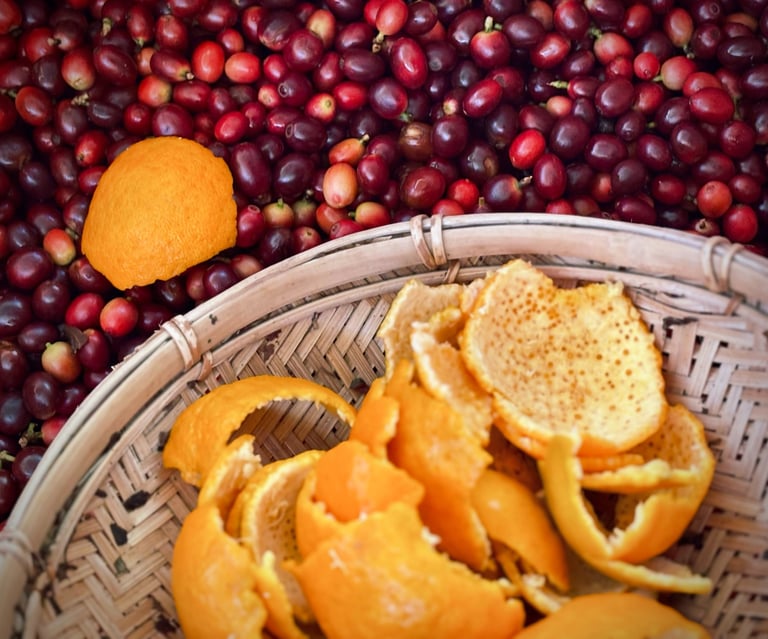
This season, we pushed that further. Alongside standard naturals and washed lots, we ran a series of experimental ferments — from fruit co-ferments to more unconventional trials. Some worked, some didn’t. We experimented with:
•Fruit co-ferments •Frozen cherry
•double fermentation • Extended fermentation protocols
Trials using local ingredients like fermented bamboo shoot and king chili. Not all of these are meant to scale. Some are deliberately exploratory testing how far we can push flavor without losing clarity. The objective isn’t novelty for its own sake. It’s to understand the boundaries of processing, and bring that learning back into building better, more controlled coffees.

Local impact
The system also creates local employment.
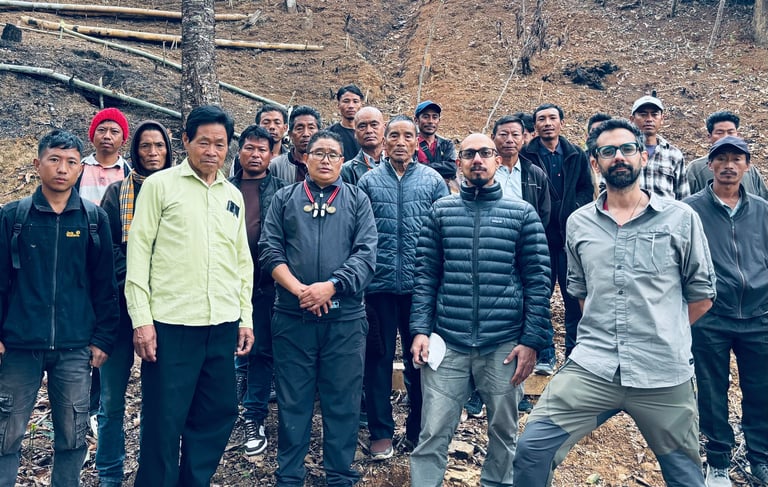
During the season, we generate on-ground jobs at the processing site, contributing directly to the local economy while building skilled handling of coffee.
Operating at origin also allows us to stay close to the process, working alongside farmers, running hands-on training, and improving how coffee is handled at each stage.
Over time, the goal is to shift more processing capability to the farmers themselves. Where infrastructure exists, we support them in processing independently and purchase the final product. Where it doesn’t, Heidi acts as a working base — allowing us to stay present, run trainings, and provide ongoing agricultural and processing support.
The focus remains simple — better coffee, built locally.
This is not just sourcing.
It is a controlled system — from farmer to processing to roasting.
The result is coffee that is traceable, consistent, and built with intent from the start.
Organic curated coffee from India's finest origins. Q-graded, traceable, and delivered to roasters, cafés, and coffee innovators worldwide.
beangreen.india@gmail.com
Enquiries +91 9886 342941
© 2025. All rights reserved.

