We have a coffee subscription, Prepay INR2499, Get 1KG of any speciality cofee. Call +91 98863 42941

NAGALAND COFFEE
Nagaland Coffee – Origin, Processing & Flavor Profile
Shawn Vasnaik
5/18/20261 min read
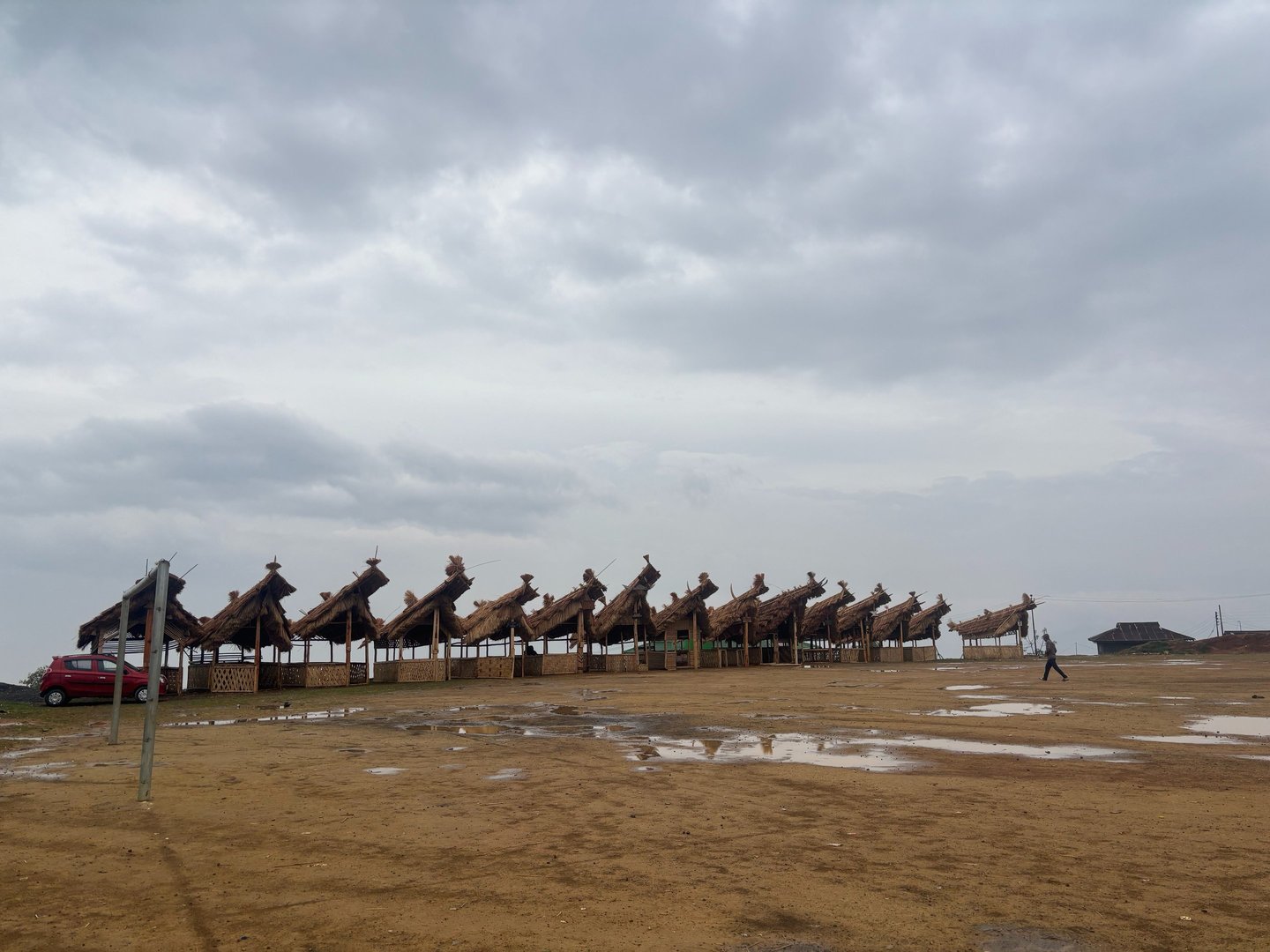
Nagaland coffee sits outside the mainstream map of Indian coffee, carving out its own unique niche that reflects not just the land but the culture and people who cultivate it.
Most Indian specialty coffee traditionally comes from the South — Karnataka, Tamil Nadu, Kerala. However, Nagaland operates quite differently from these regions. Here, coffee is grown in much smaller, forested plots, often intercropped and managed by smallholder farmers rather than large estates, which gives it a distinct flavor profile and character.
This approach to cultivation changes everything about the coffee produced in Nagaland. From its origin to its journey through the processing stages, each phase is infused with local traditions and practices that contribute to the coffee's unique identity.
Growing Conditions
Coffee in Nagaland typically grows under dense tree cover, taking full advantage of high rainfall and a relatively low intervention farming style. This results in a slower development of the beans and creates a different structure in the cup — often leading to softer acidity, a layered sweetness, and subtle notes of spice or fruit that can surprise and delight the palate.
The yields from Nagaland are lower compared to other regions, and the variation in flavor can be higher. Yet, paradoxically, this also enhances the character of the coffee, making each batch unique and exceptional.
The Processing Challenge
Unlike the more organized plantation systems found in other regions, most farmers in Nagaland don’t have access to controlled processing infrastructure, which complicates the logistics of coffee production.
That means:
- Inconsistent fermentation can result in varied and sometimes unexpected flavors.
- Uneven drying processes can affect consistency and quality.
- The high variability in quality can be both a challenge and an opportunity for innovation.
This is precisely where most potential is lost, emphasizing the delicate balance of nature and human effort in coffee production.
Building at Origin
At Brewed Awakening, we take a proactive approach. We work directly at the origin to close that gap and ensure that each coffee produced embodies the rich heritage of Nagaland.
We buy fresh cherry from local farmers, process it ourselves, and meticulously control both the fermentation and drying processes. This hands-on approach allows us to stabilize quality without compromising the authentic identity of the region and its coffee.
Instead of blending or standardizing our products, the goal is to refine and enhance what’s already naturally there, celebrating the diverse flavors that Nagaland has to offer.
What It Tastes Like
Nagaland coffees are not loud or overpowering; instead, they are structured, often clean, and carry a subtle complexity that reveals itself over time — notes of cocoa, a hint of mild citrus, delicate spice, and sometimes light fermentation notes depending on the specific processing methods used.
They reward attention more than they demand it, inviting drinkers to explore and savor the nuances in each cup.
Why It Matters
Nagaland is still in the early stages of its coffee journey, which means it's full of potential for growth and discovery.
This makes it unpredictable — but also one of the few places where the nuances of processing and handling can still reshape the trajectory of an origin, offering new opportunities for coffee lovers to experience something genuinely unique.
For buyers and drinkers alike, Nagaland offers something different from the established profiles of Indian coffee, standing as a testament to the region’s rich biodiversity and the dedication of its farmers.
Buy Nagaland Coffee
Organic curated coffee from India's finest origins. Q-graded, traceable, and delivered to roasters, cafés, and coffee innovators worldwide.
beangreen.india@gmail.com
Enquiries +91 9886 342941
© 2025. All rights reserved.

