We have a coffee subscription, Prepay INR2499, Get 1KG of any speciality cofee. Call +91 98863 42941

DIRECT TRADE
How can we reduce distance between farmer, process, and final cup.
Aditya Puri
8/18/20251 min read
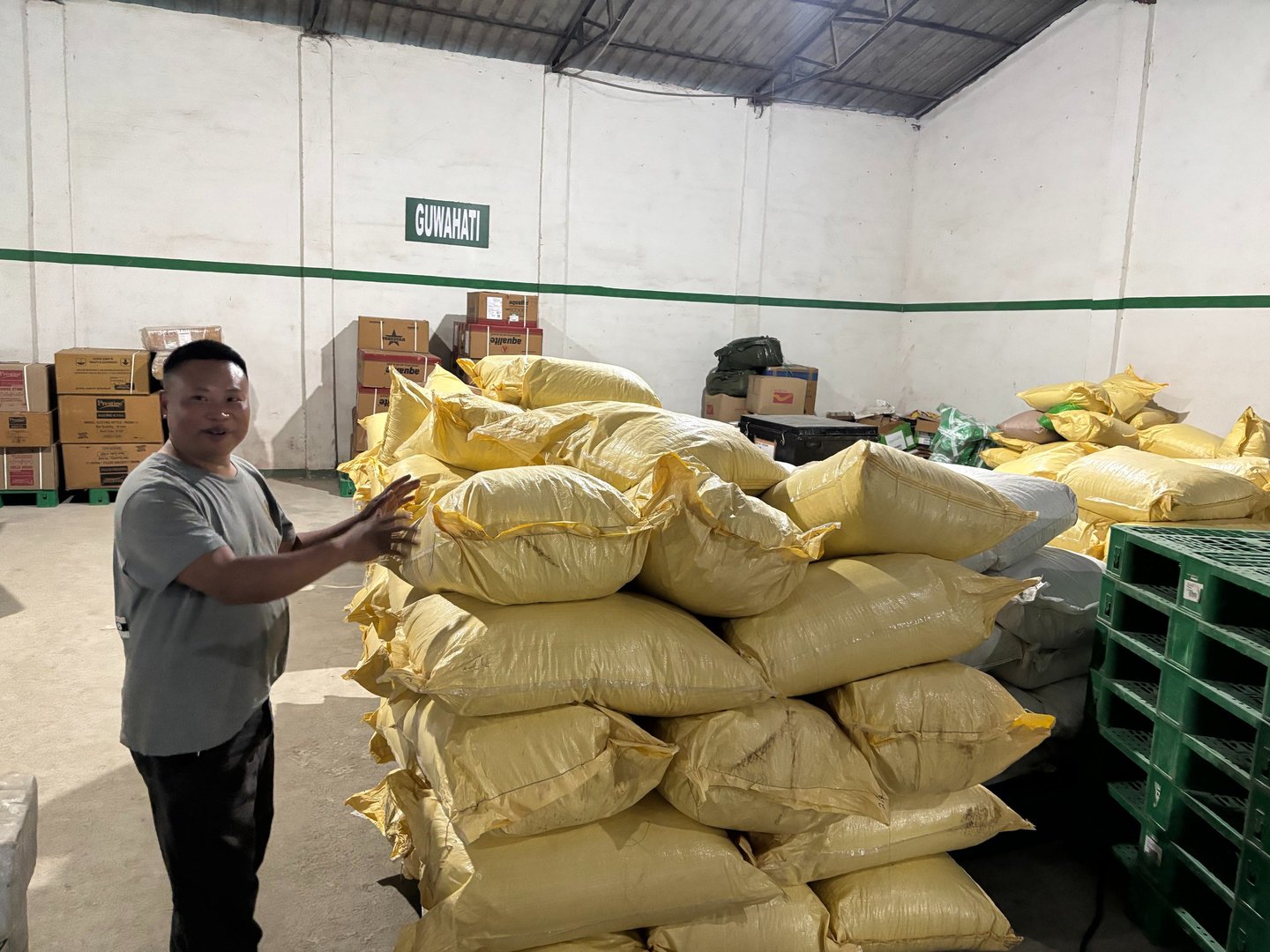
Direct trade is often misunderstood. It is a concept that many people are not familiar with and associate it with different meanings. Perhaps a brief exploration of its intricacies can shed some light on this important topic.
It is not just about buying directly from the source. It is also about building a strong relationship that reduces the distance between the farmer who cultivates the coffee, the processors who prepare it, and the final cup enjoyed by consumers. This kind of relationship is vital for creating sustainable practices and ensuring high-quality products.
The Problem
In most supply chains, coffee passes through multiple layers, which can complicate the journey from farm to cup. These layers include various intermediaries that can sometimes introduce inefficiencies or misunderstandings about the product itself.
Specifically, the coffee travels from farmer → aggregator → trader → exporter → roaster. At each step, valuable information is often lost or distorted. This lack of transparency impacts the quality of the coffee and the fairness of prices, leaving farmers with less than they deserve.
At each step of this journey, information is lost, and with it, the potential for a fairer and more sustainable coffee market. Understanding the dynamics at play can empower consumers and producers alike.
What Direct Trade Actually Means
At its core, direct trade represents a commitment to sourcing coffee in a way that favors quality and sustainability, transcending the conventional methods of supply chain.
- Fewer intermediaries are involved; this means less confusion and clearer communication for everyone in the value chain.
- Clearer pricing structures can emerge, which benefit all parties, from the producers to the end consumers.
- Closer working relationships can be fostered, creating an atmosphere of cooperation and mutual respect.
But more importantly — control over processing is emphasized, which plays a critical role in the overall quality of the coffee that reaches consumers.
Why Processing Matters More
Even with direct trade practices, if processing is outsourced to third parties or remains inconsistent, the quality of the coffee can suffer greatly. Different processors may not adhere to the same quality standards, which can lead to variations that are unacceptable.
That is why direct trade without processing control is incomplete and often leads to dissatisfaction on various levels. Producers and consumers alike must be aware of this critical factor.
Our Model
We operate directly at origin in Nagaland, engaging closely with our farming partners to create a transparent and trustworthy supply chain.
We:
- Work directly with farmers to understand their needs and challenges, ensuring a fair and beneficial arrangement for all.
- Buy fresh cherry at peak ripeness, which guarantees the highest quality for our roasting process.
- Process coffee ourselves to maintain quality standards, ensuring that every step of production is monitored closely.
This comprehensive approach integrates sourcing and processing into one unified system, offering a distinct advantage.
Outcome
- Better traceability allows consumers to know exactly where their coffee comes from and how it was produced, promoting transparency.
- More consistent quality ensures that each cup of coffee is up to standard, heightening customer satisfaction.
- The ability to improve year over year fosters innovation and continuous betterment of our products and practices.
Direct trade is not just a label. It is an operational model that embodies the principles of sustainability, quality, and direct relationships between all participants in the supply chain, paving the way towards a more ethical coffee industry.
Organic curated coffee from India's finest origins. Q-graded, traceable, and delivered to roasters, cafés, and coffee innovators worldwide.
beangreen.india@gmail.com
Enquiries +91 9886 342941
© 2025. All rights reserved.

